
When I arrived in South Korea, I carried the fear with me, but I hid it. I thought I was simply beginning a new chapter: a new country, new experiences, a new version of myself.
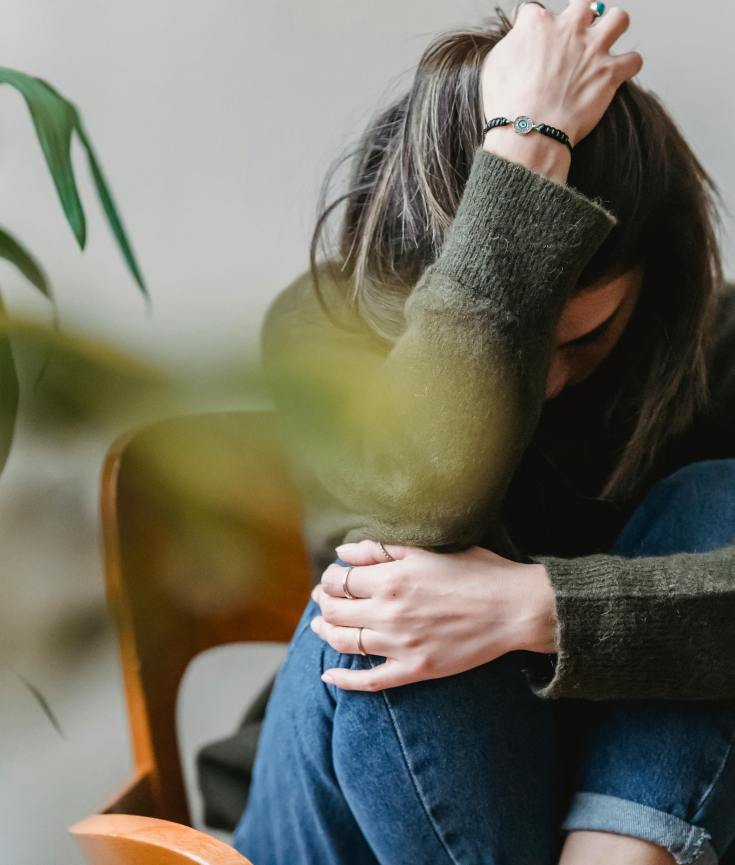
But it became something more intrusive. Being around men turned frightening; my body would tense up. Living in Korea intensified everything I was already feeling. I went through emotional experiences that left a mark, especially in relationships: breakups, feeling like I wasn’t taken seriously, and feeling used. At the same time, a new fear emerged — the fear of contracting a sexually transmitted disease. It wasn’t just a passing thought; it became something constant, always present in the back of my mind.
At the same time, I began to feel attraction toward my own gender, which caused me shame and distress. I didn’t know how to manage these new emotions.
Then, when I was in public spaces, I felt exposed — as if everyone was judging me. Even when nothing was happening, my mind created this constant sensation of being watched. That was when social anxiety began to appear. Simple things like being in a classroom, walking down the street, or sitting on public transportation started to feel like challenges. All of this led me to isolate myself, because isolation gave me something I couldn’t find anywhere else: peace and mental quiet. Avoiding people felt safer. I believe that if Morita hadn’t been there to support me and explain that what I was experiencing was social anxiety, I wouldn’t have been able to tell my sister what was happening to me.
Thanks to Morita, I realized I wasn’t the only one. She was going through the same thing. Over the years, I also came to understand that other girls who traveled to Korea returned to their countries with certain fears, with some level of social phobia, or with anxieties and reactions that didn’t seem “normal.” Unfortunately, no one talks about this openly.
At that stage, I still didn’t have a diagnosis. I only had the feeling that something inside me had changed, and it didn’t feel right.
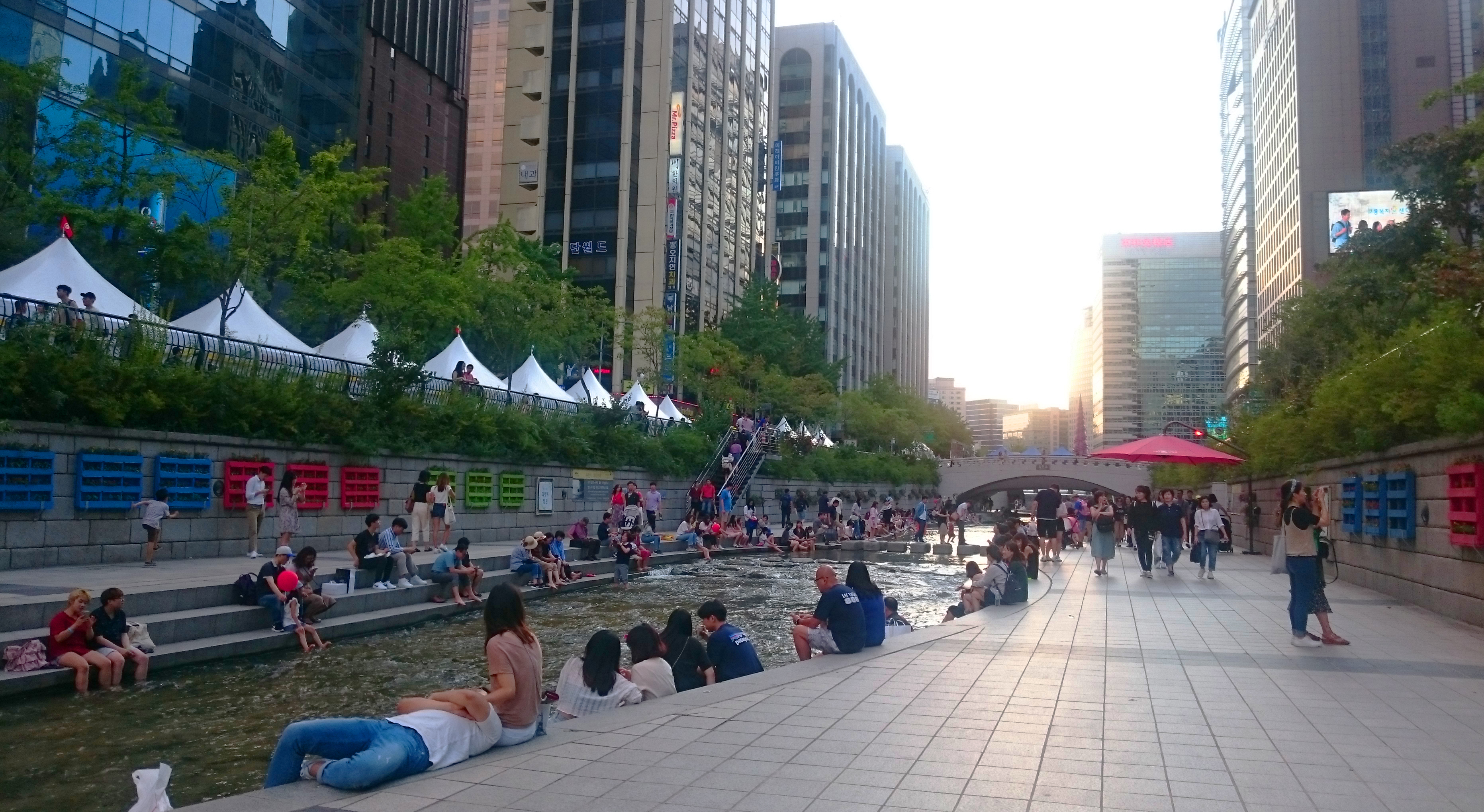
I returned to Ecuador and hid it from my family. I started working at a university. But here in Ecuador, everyone acts so normal that I felt abnormal. In Korea, many people behave differently, which made it easier for me to go unnoticed. I stayed in Ecuador for a year working as a university lecturer, but I returned to Korea in September 2018 to pursue my PhD in Visual Communication Design.
 marimo